tour.crExplore tours ↗
Highland Arabica estates vs. lowland rainforest cacao farms
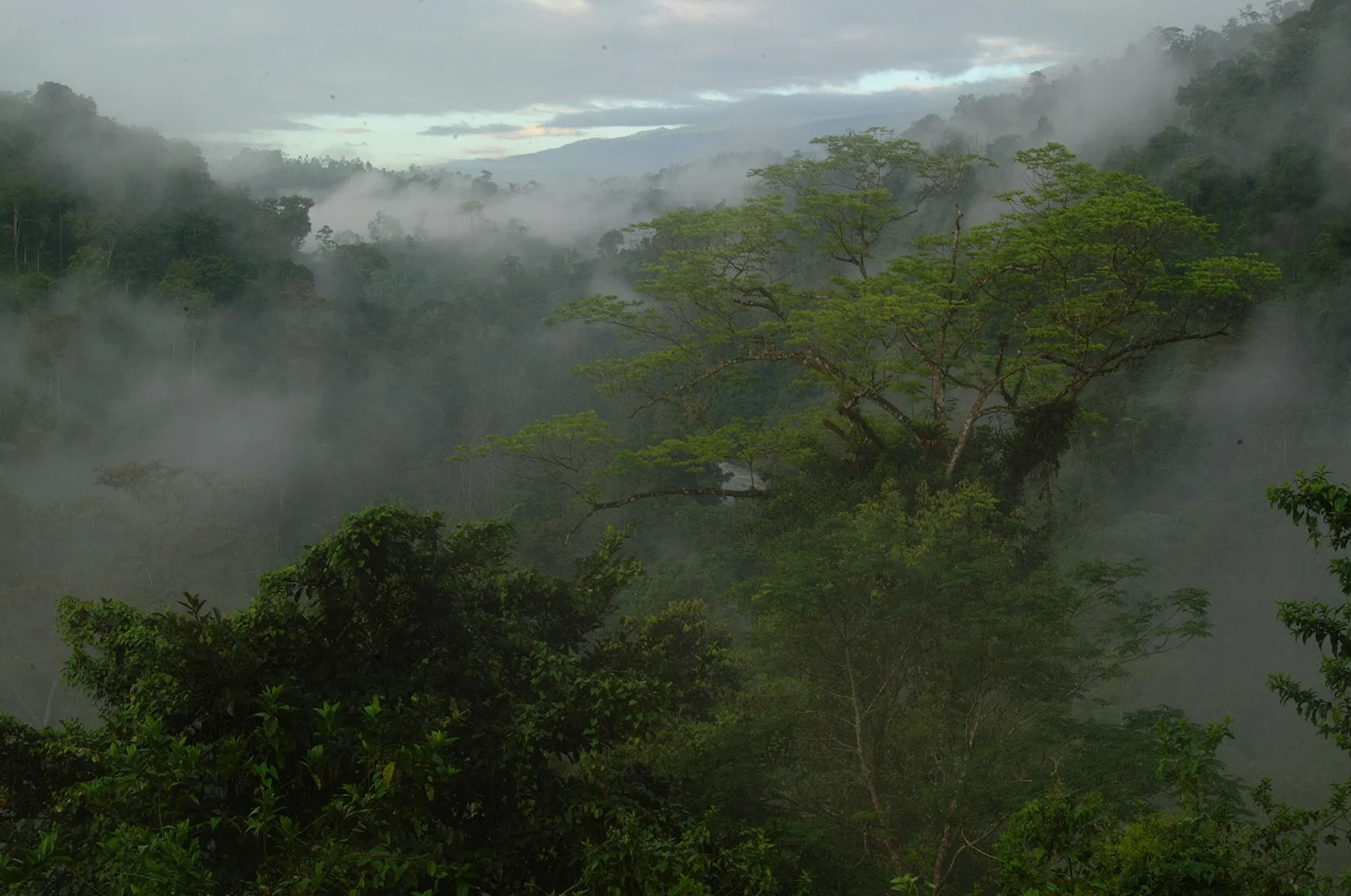
Coffee and cacao occupy two different elevation bands in Costa Rica, and understanding that geography helps you pick the most authentic tour for your route. Specialty Arabica coffee thrives in cool volcanic highlands between 1,100 and 1,700 meters—most notably on the slopes of Poás, Barva, and Naranjo in the Central Valley and around Monteverde and San Luis—where the harvest (la cogida) runs from November through February.
Cacao (Theobroma cacao), by contrast, is a warm, humid lowland rainforest tree native to Mesoamerica and deeply woven into Bribrí and Cabécar indigenous traditions in Talamanca/Puerto Viejo as well as family agroforestry farms in Sarapiquí and La Fortuna/Arenal, where football-shaped pods ripen on the trunk year-round.
What happens on a bean-to-cup & pod-to-bar tour
- Shade-grown agroforestry walk: Walk shaded farm trails beneath banana, poró, and citrus trees to see how volcanic soil, elevation, and shade canopy protect biodiversity and slow cherry maturation.
- Wet mill (beneficio), fermentation & sun drying: Follow coffee cherries from depulping and mucilage fermentation to raised African drying beds (patios) and wood- or gas-fired drum roasters, learning to distinguish washed, honey-processed, and natural-processed cup profiles.
- Cacao roasting, winnowing & stone-metate grinding: Taste fresh, tangy white cacao pulp straight from the pod, roast fermented cacao beans over a clay comal, crack the husks, and grind warm cacao nibs into 100% dark paste spiced with vanilla, cinnamon, chili, and local cane sugar.
- Traditional trapiche sugarcane pressing: Many family farms in La Fortuna and Monteverde conclude by pressing fresh sugarcane stalks to make agua dulce or hand-pulled sobado candy.